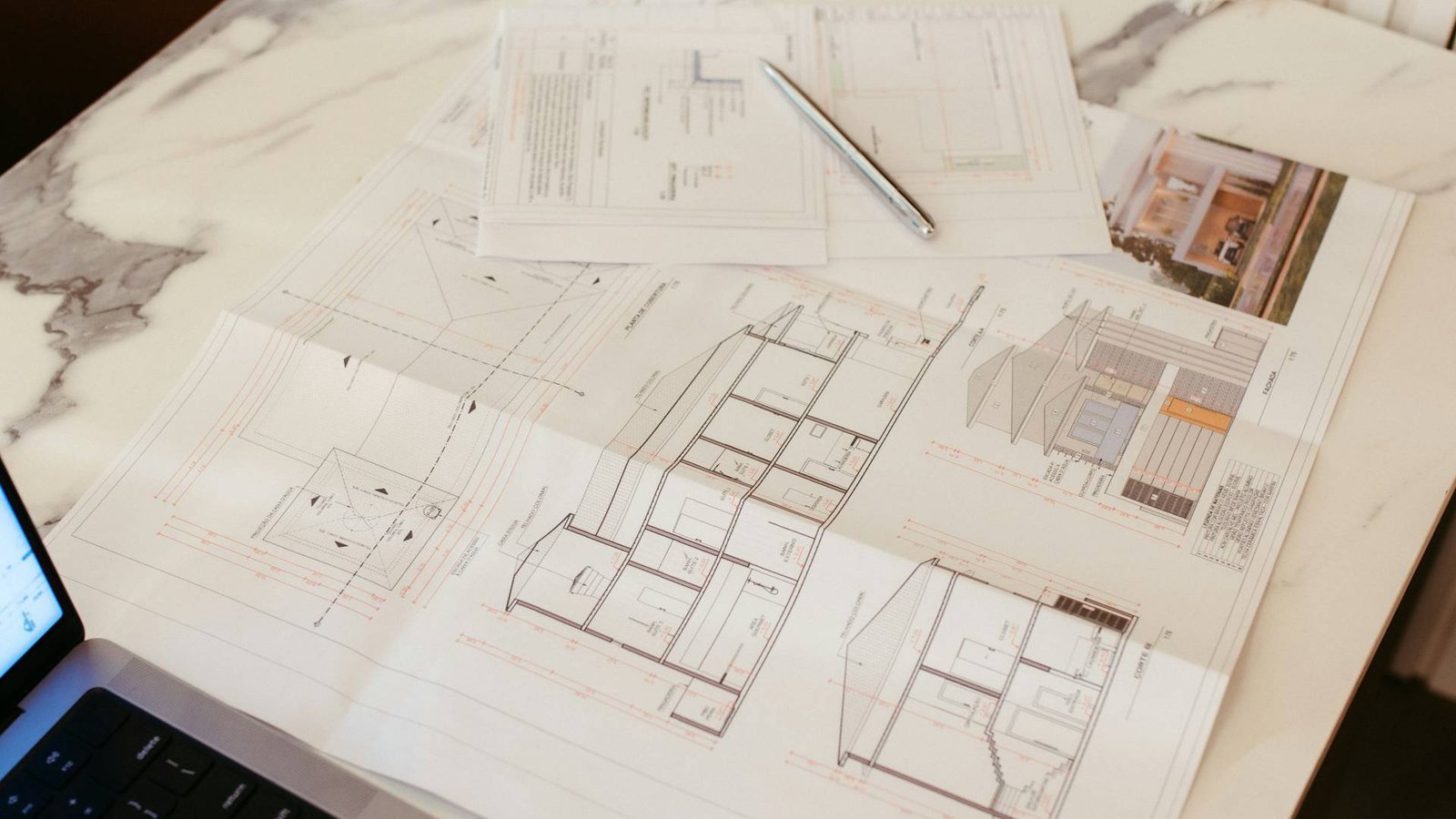
Construction projects generate an enormous amount of information.
Drawings are revised. Specifications are updated. RFIs receive responses. Submittals are approved. Meeting minutes are distributed. Inspection reports are completed.
Keeping track of that information can be a challenge, particularly on larger projects involving multiple organisations and hundreds or even thousands of documents.
This is where Document Control comes into the process.
Document Control is not simply about storing files. It is about making sure the right people have access to the right information at the right time.
What Is Document Control?
Document Control is the process of managing project documents throughout their lifecycle.
This includes:
- Creating documents
- Reviewing documents
- Approving documents
- Distributing documents
- Updating documents
- Storing documents
- Archiving documents
The goal is to ensure that project teams are working from accurate and up-to-date information.
In simple terms:
Document Control is the process of managing project information in a structured and organised way.
Why Is Document Control Important?
Construction projects rely on information.
If the wrong information is used, the consequences can be significant.
Examples include:
- Building from an outdated drawing
- Using an old specification
- Missing an approved change
- Working from an unapproved document
These situations can result in:
- Rework
- Delays
- Additional costs
- Disputes
Document Control helps reduce these risks by ensuring information is managed correctly.
What Types of Documents Are Controlled?
Construction projects generate a wide range of documents.
Examples include:
- Drawings
- Specifications
- RFIs
- Submittals
- Contracts
- Change Orders
- Meeting minutes
- Inspection reports
- Safety documentation
- Product data sheets
- Commissioning records
Each document may require review, approval, revision tracking, and distribution throughout the project.
A Simple Example
Imagine a revised drawing is issued during construction.
The revision changes the location of several electrical outlets.
If site personnel continue working from the previous drawing, the outlets may be installed incorrectly.
Correcting the mistake could require:
- Additional labour
- Additional materials
- Rework
- Delays
Document Control helps ensure teams are working from the latest approved information rather than outdated project documents.
What Does a Document Controller Do?
A Document Controller is responsible for managing project documentation.
Responsibilities may include:
- Maintaining document registers
- Tracking revisions
- Distributing updated documents
- Managing approvals
- Monitoring document workflows
- Organising project records
- Maintaining document naming conventions
The exact responsibilities vary between organisations, but the goal remains the same: ensuring project information is properly managed.
Understanding Document Revisions
One of the most important aspects of Document Control is revision management.
Construction documents are rarely issued once and never changed.
A drawing may progress through several revisions during a project.
For example:
- Revision A
- Revision B
- Revision C
- Revision D
Each revision may contain important changes.
Document Control ensures teams can identify:
- The latest revision
- Previous revisions
- What has changed
- When the revision was issued
Without revision control, confusion can quickly develop.
What Is a Document Register?
A document register is a record of project documentation.
Think of it as an organised index of project information.
A document register may contain:
- Document numbers
- Titles
- Revision numbers
- Status information
- Issue dates
Document registers help project teams monitor what information has been issued and what remains outstanding.
How Does Construction Software Help?
Historically, document control relied heavily on:
- Paper files
- Shared drives
- Email distribution
- Spreadsheet registers
Modern construction technology platforms provide tools that help manage project information in a more structured way.
Examples include:
- Procore
- Autodesk Construction Cloud
- Common Data Environments (CDEs)
These systems can help teams:
- Store documents
- Track revisions
- Control access
- Monitor approvals
- Maintain project records
The software supports the process, but the underlying principles of Document Control remain the same.
Common Document Control Problems
Working from Outdated Information
This is perhaps the most obvious risk.
If project teams use superseded drawings or specifications, mistakes can occur.
Poor Document Organisation
Finding information becomes difficult when documents are stored inconsistently.
Inconsistent Naming Conventions
Documents that are named incorrectly can be difficult to locate and track.
Missing Approvals
Using documents before proper review and approval can create project risks.
Poor Distribution
Even when information exists, problems may occur if the right people do not receive it.
Document Control Is About More Than Filing Documents
People sometimes assume Document Control is simply administrative filing.
In reality, it plays an important role in project communication.
Every project decision generates information.
That information must be:
- Recorded
- Managed
- Shared
- Retrieved when required
Good Document Control helps make that possible.
What Confuses Many New Users?
One of the biggest misconceptions is that Document Control is only the responsibility of a Document Controller.
In reality, many project participants contribute to the process.
Project Managers, Site Managers, Engineers, Architects, Consultants, and Contractors all create and use project documentation.
Document Control is therefore a shared responsibility across the project team.
Final Thoughts
Construction projects depend on accurate information.
Drawings, specifications, RFIs, submittals, Change Orders, and project records all need to be managed effectively throughout the life of a project.
Document Control provides a structured way to manage that information.
While modern construction technology platforms make the process more efficient, the objective remains the same:
Ensure the right people have access to the right information at the right time.
Understanding this principle makes many construction technology workflows much easier to understand.