Every construction project is built using information.
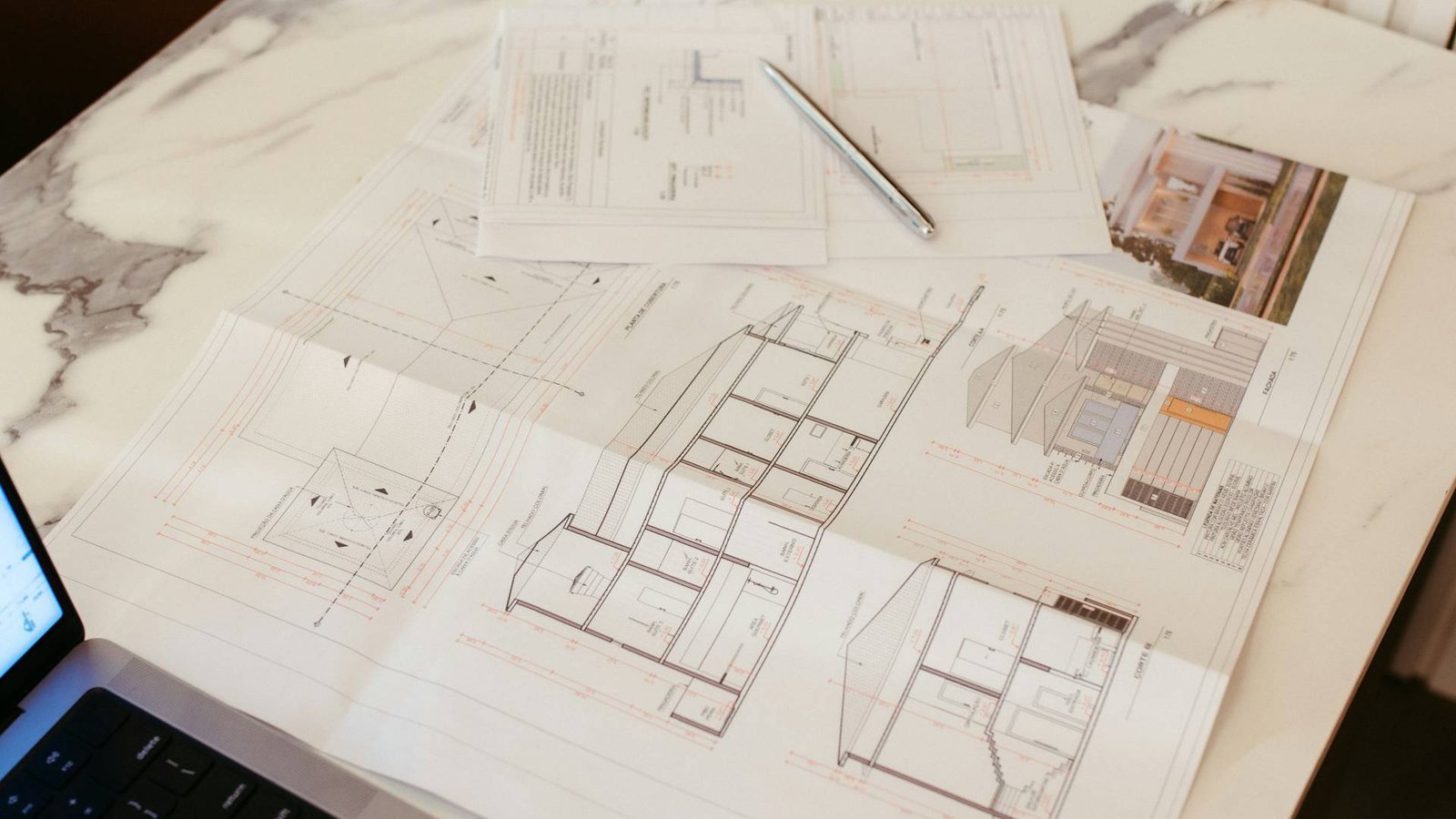
Most people are familiar with construction drawings because they provide a visual representation of the work. However, drawings are only part of the story.
Construction projects also rely on specifications.
Together, drawings and specifications provide the information needed to construct a project.
While drawings show what is to be built, specifications help explain the requirements that sit behind the drawings.
What Are Construction Specifications?
Construction Specifications are written documents that describe the materials, products, workmanship, standards, and requirements for a construction project.
They form part of the contract documents and provide detailed information that may not be shown on drawings.
In simple terms:
Specifications describe how materials and work should meet the project's requirements.
Why Do Construction Projects Use Specifications?
Drawings are excellent for showing locations, dimensions, and layouts.
However, drawings cannot realistically contain every piece of information needed to construct a project.
For example, a drawing may show a wall.
The drawing might not explain:
- The exact materials to be used
- Performance requirements
- Installation methods
- Testing requirements
- Quality standards
- Manufacturer requirements
Specifications help provide this information.
Drawings vs Specifications
One of the easiest ways to understand specifications is to compare them with drawings.
What Drawings Show
Drawings typically show:
- Dimensions
- Locations
- Layouts
- Elevations
- Details
- Relationships between building elements
They answer questions such as:
- Where does it go?
- What does it look like?
- How is it arranged?
What Specifications Describe
Specifications typically describe:
- Materials
- Product requirements
- Quality standards
- Installation requirements
- Testing procedures
- Performance criteria
They answer questions such as:
- What should be used?
- How should it be installed?
- What standard must it achieve?
Drawings and specifications are designed to be read together.
What Information Is Included in a Specification?
The contents will vary depending on the project and trade, but specifications often include:
- Material requirements
- Product standards
- Manufacturer information
- Installation procedures
- Testing requirements
- Inspection requirements
- Quality requirements
- Tolerances
- Performance criteria
Specifications can range from a few pages to several hundred pages depending on the size and complexity of the project.
A Simple Example
Imagine a drawing shows a suspended ceiling within an office.
The drawing may indicate:
- Location
- Extent of the ceiling
- Dimensions
The specification may provide additional information such as:
- Ceiling tile type
- Fire rating requirements
- Acoustic performance
- Installation requirements
- Manufacturer standards
Without the specification, important project requirements may be missed.
Why Specifications Matter
Specifications help establish clear expectations for project teams.
They provide detailed requirements that support:
- Quality control
- Consistency
- Compliance
- Material selection
- Product approval
They also help reduce misunderstandings by providing written requirements that can be referenced throughout the project.
Specifications and Submittals
Specifications often drive the submittal process.
For example, a specification may require a contractor to submit:
- Product data
- Shop drawings
- Samples
- Test certificates
before installation can begin.
The design team can then review the information and determine whether the proposed product meets the project requirements.
Related Reading: 👉 What Is a Submittal and Why Does It Matter?
Specifications and RFIs
RFIs often arise when project teams require clarification regarding contract documents.
For example:
- A requirement may be unclear.
- Drawings and specifications may appear to conflict.
- Additional information may be required before work proceeds.
In these situations, an RFI may be used to request clarification.
Related Reading: 👉 What Is an RFI? Explained in Plain English
What Happens When Drawings and Specifications Conflict?
This is a situation that occasionally arises on construction projects.
For example:
- A drawing may indicate one material.
- A specification may indicate another material.
When inconsistencies occur, project teams should seek clarification rather than making assumptions.
The appropriate response will depend on the contract requirements and project procedures.
This is often where RFIs become part of the process.
Common Beginner Mistakes
Reading Only the Drawings
Many people focus heavily on drawings and pay less attention to specifications.
However, important requirements are often found within the specifications.
Assuming Product Substitutions Are Acceptable
A specification may require a specific product or performance standard.
Substituting products without approval can create project issues.
Ignoring Installation Requirements
Specifications frequently contain installation and quality requirements that are not shown on drawings.
Treating Specifications as Optional
Specifications form part of the contract documentation and should be treated accordingly.
Construction Technology and Specifications
Modern construction software platforms help teams manage specification information more effectively.
Platforms such as Procore and Autodesk Construction Cloud may be used to:
- Store specifications
- Track revisions
- Manage document distribution
- Link specifications to other project information
The software helps manage access to information, but it does not replace the importance of understanding specification requirements.
Final Thoughts
Construction Specifications are an essential part of project documentation.
While drawings show what is to be built, specifications provide the detailed requirements that support the work.
Understanding specifications helps construction professionals:
- Select appropriate materials
- Meet quality requirements
- Follow installation standards
- Deliver projects in accordance with contract requirements
For anyone learning construction processes or construction technology, understanding specifications is just as important as understanding drawings.